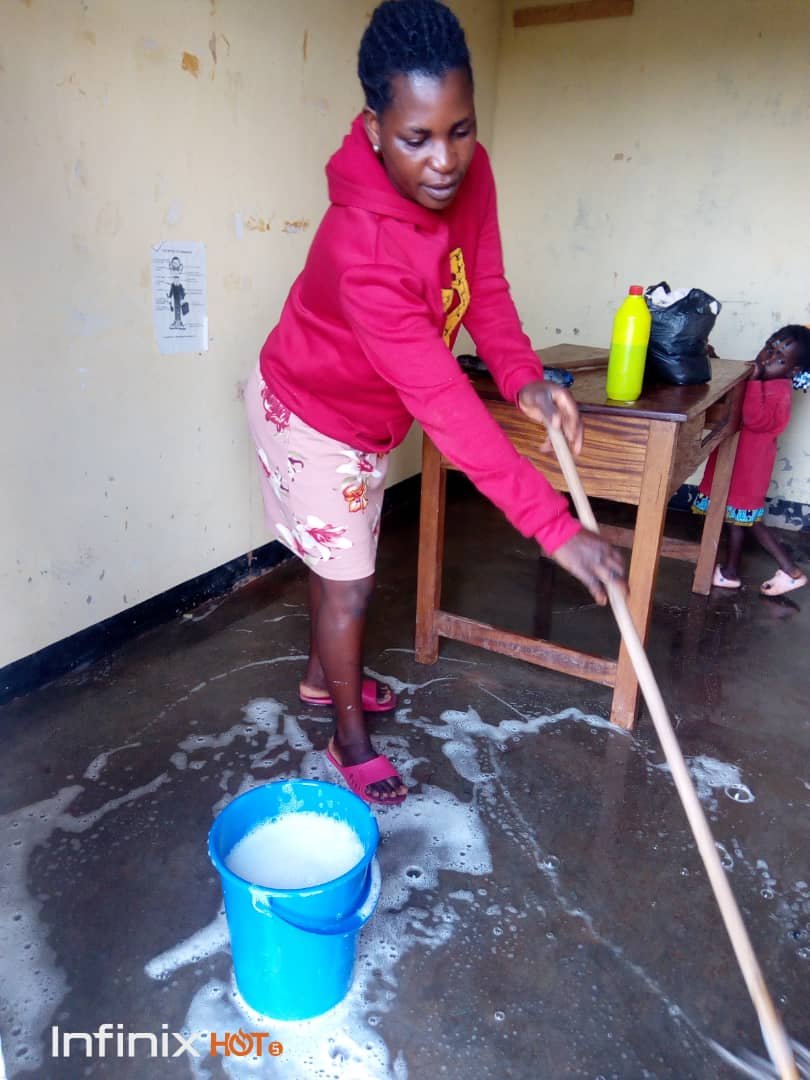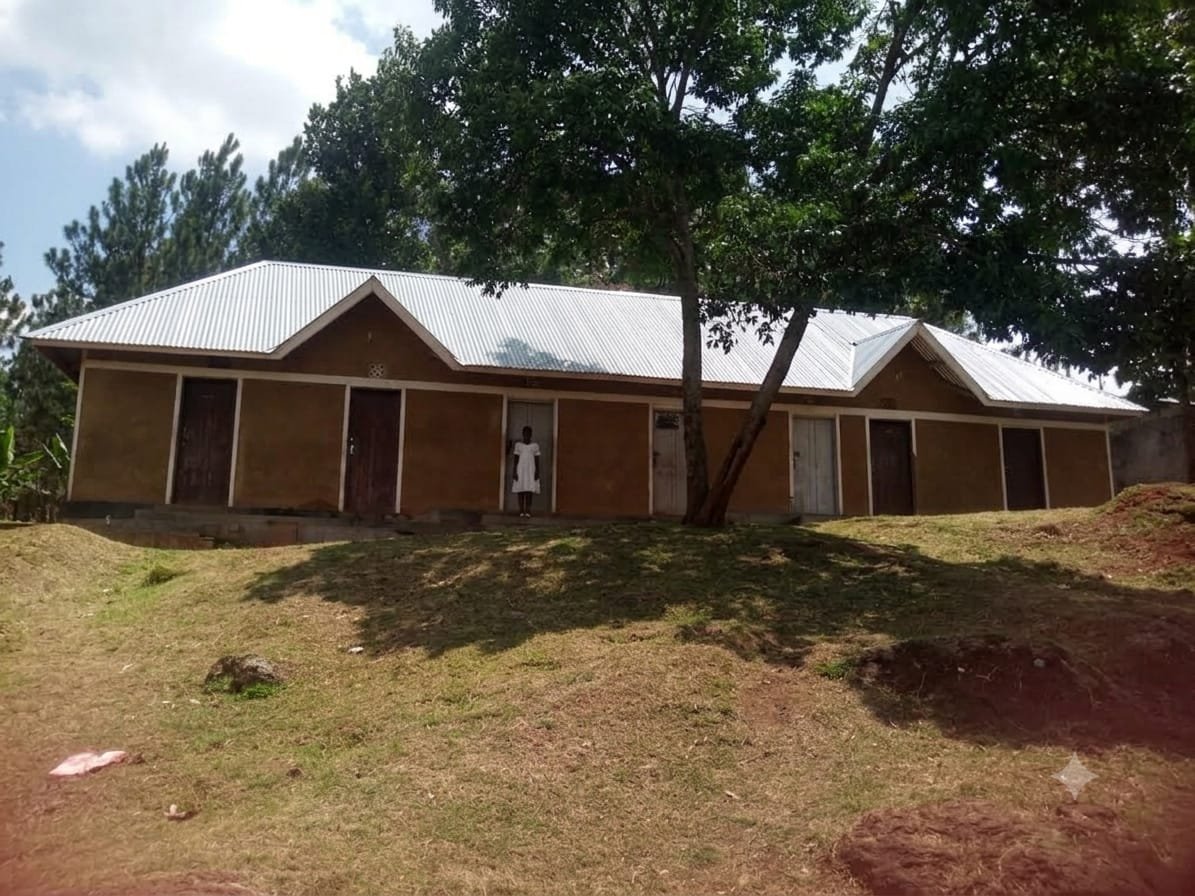
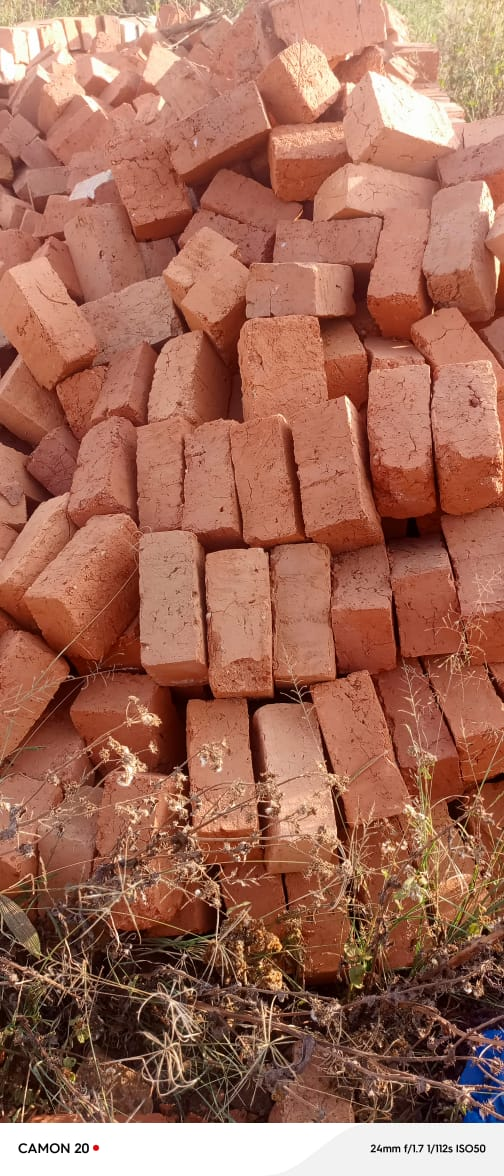
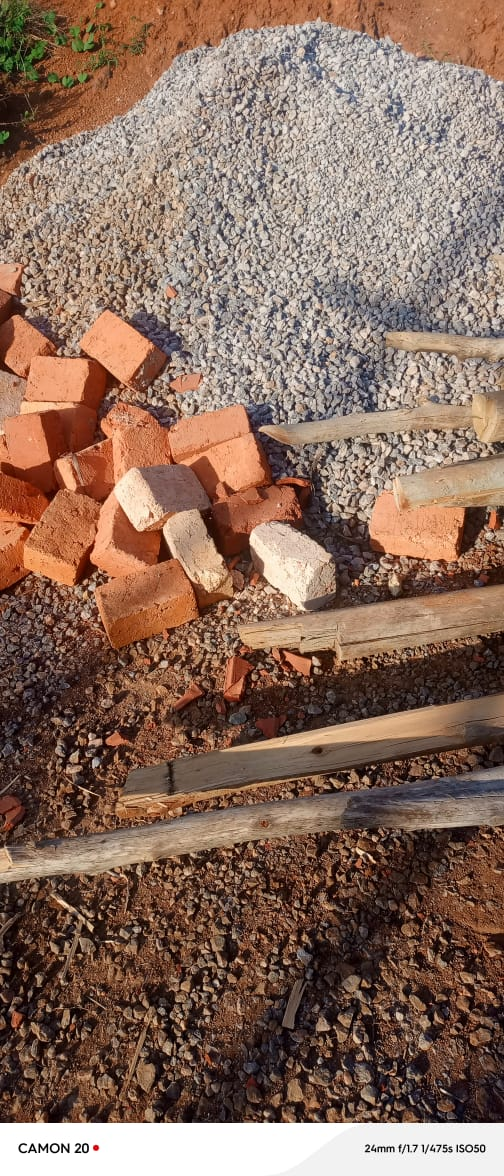
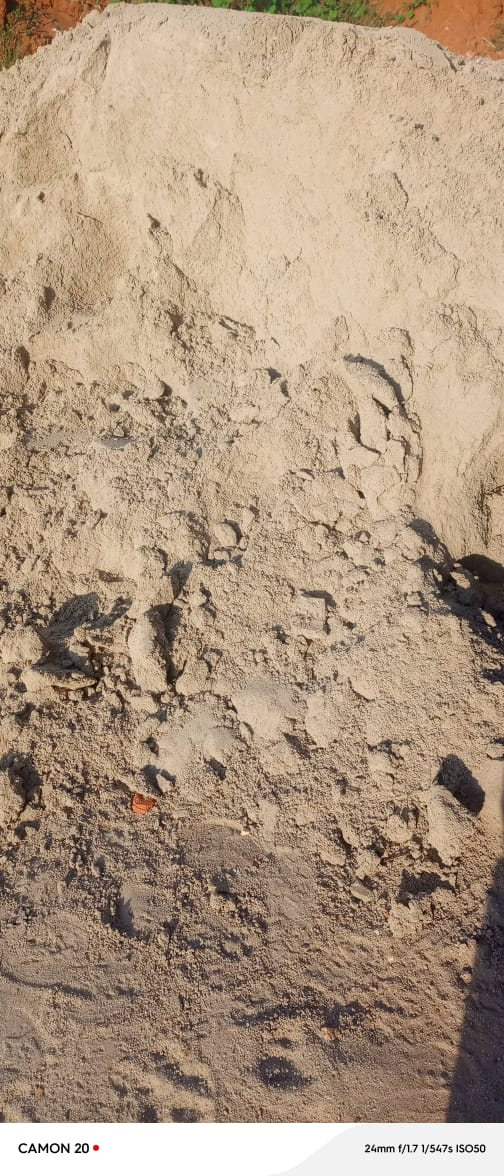
REPAIRS to Staff Accommodation are underway
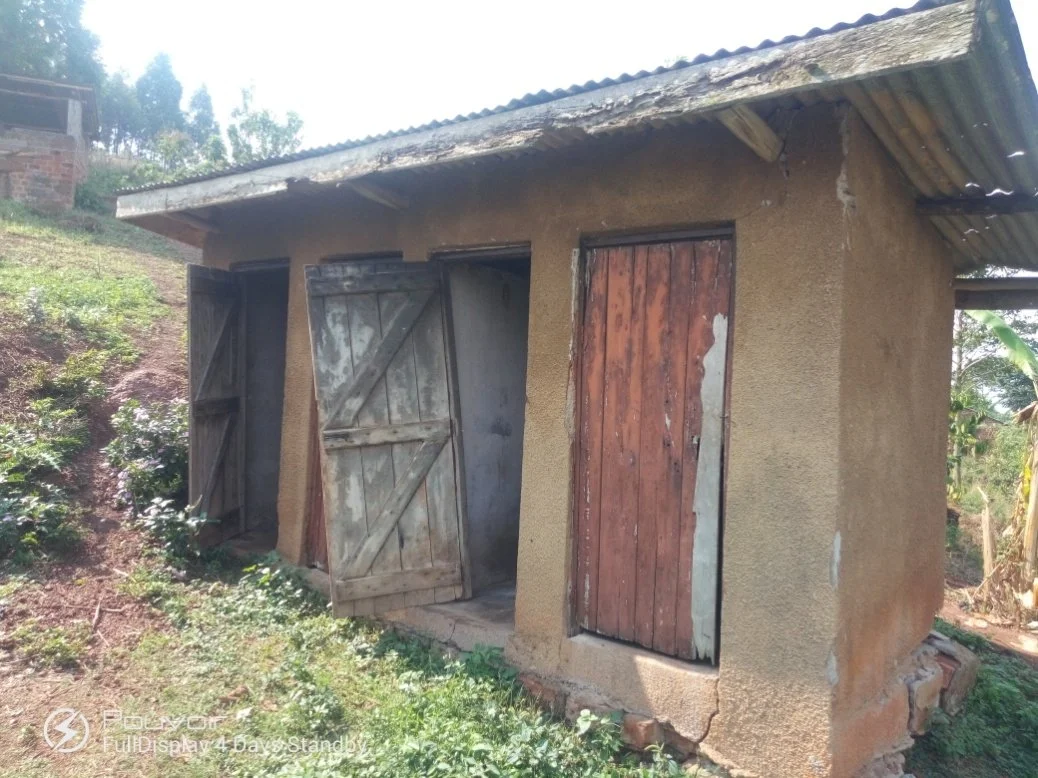
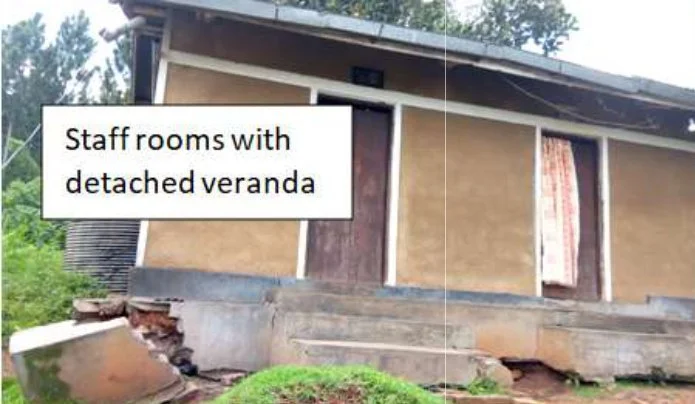
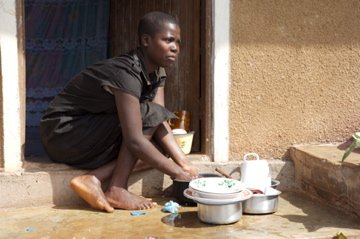
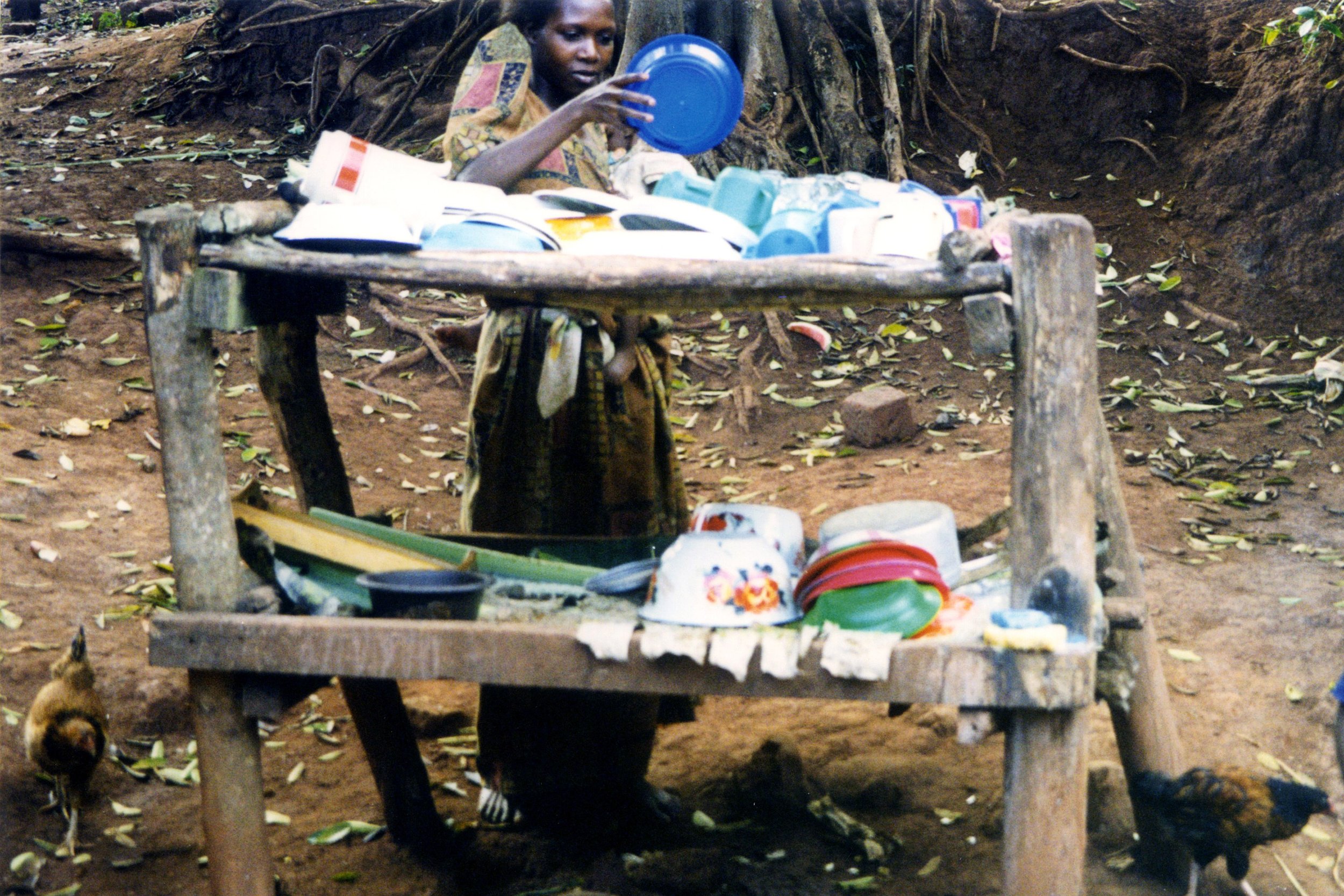
The deteriorating condition of their accommodation has been a long-standing, serious concern for resident staff.
Dr Millie, recently back from maternity leave, lives there with with her new born daughter.
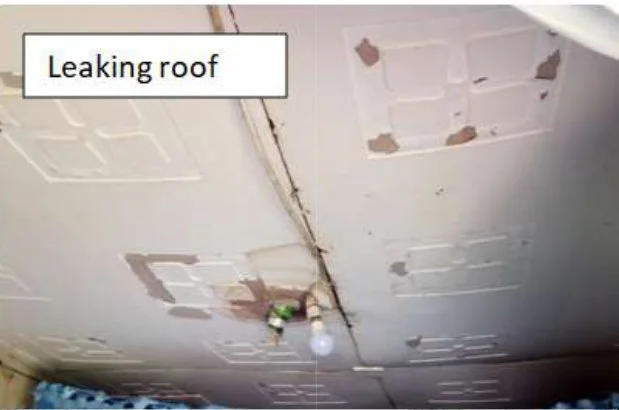
But maintenance is vital: the roof leaks, they are plagued by squirrels who can get in through the roof, security is a big worry and experienced midwife Sharifah left because of the living conditions.
CEO Vicky recommended ‘on humanitarian and professional grounds, we must improve accommodation. Staff would appreciate this far more than a pay rise. It would be money well spent to ensure the continuity of our work and retain key workers’.
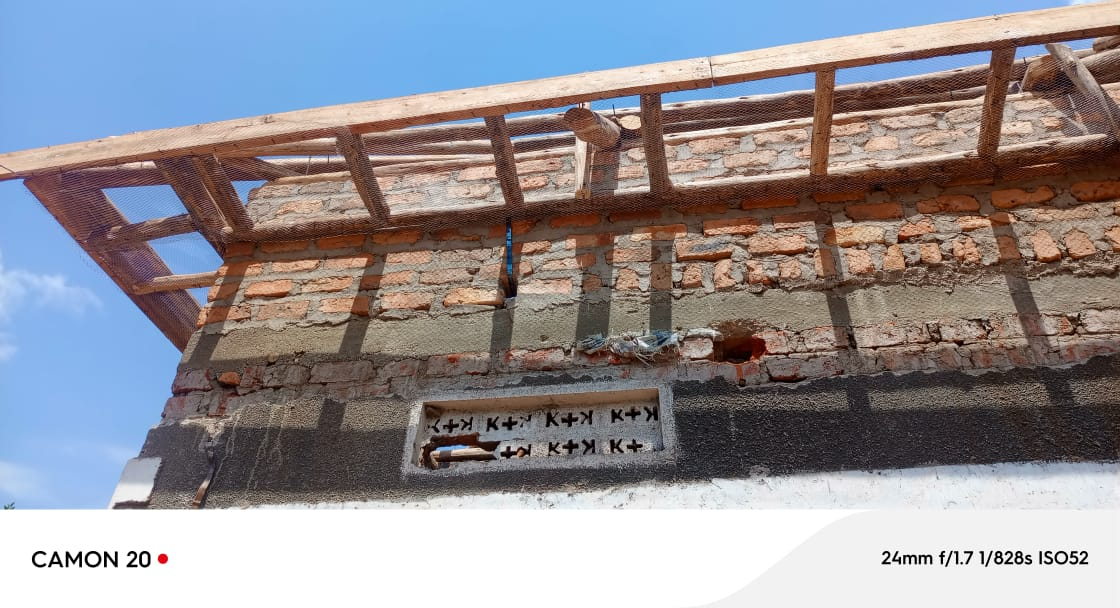
Work in progress, summer 2026
£6,411 very well spent
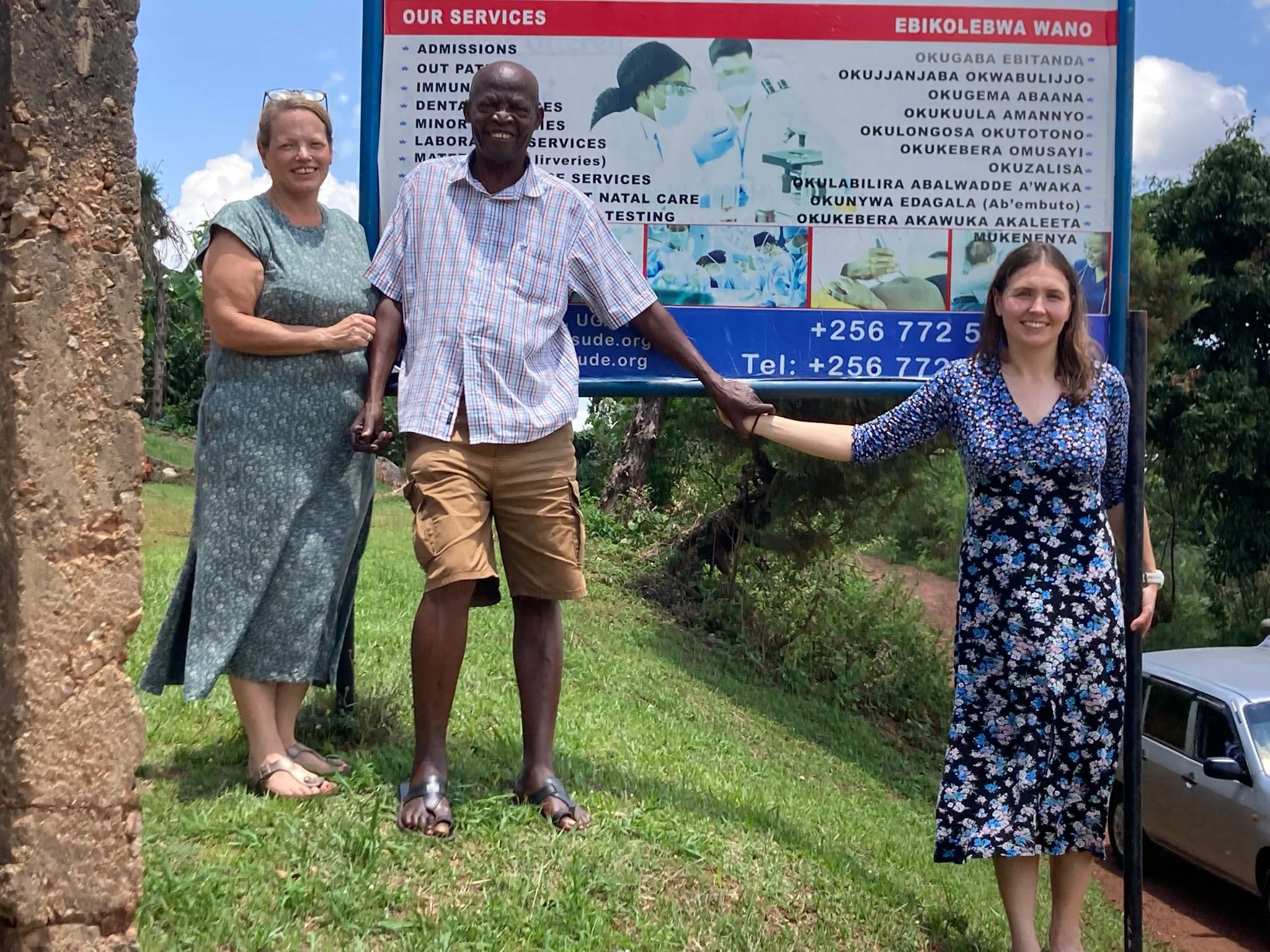
Trustees Pam Major and Georgina Quayle visited the villages in October 2025
Their visit will inform our work from 2026 - 2028
Georgina’s expertise with statistics helped us to choose chickens as the way to future sustainability.
Fr Kakuba taking part in an outreach Feb 2026
Fr Kakuba taking part in a medical outreach in February 2026.
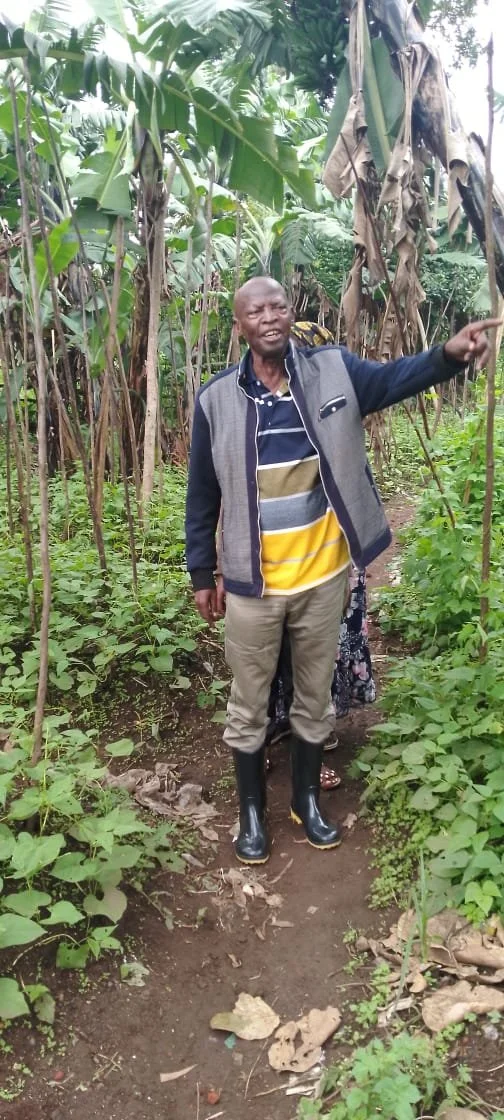
He visited Kajjaga village and was impressed to see the bean crop flourishing and a nearby thriving banana plantation.
Villagers now have more to eat and a surplus to sell, thanks to training from KAINSUDE and the District Agricultural Dept.
NEW EQUIPMENT for the Health Centre in 2024 and the staff are delighted

A brand new nebulizer is unpacked and assembled. Patients will benefit from using this equipment - £778 well spent.
An ambubag cost £111 but it is essential equipment. It will help to stabilise the condition of new born babies who might need to be transferred for specialist care in a neo-natal unit.

Ultra-sound scans are normal practice is the UK during pregnancy; but this is a first for Kanyike.
Mothers can see the progress of their babies. The scanner cost £1556. Well worth the price for the reassurance it gives to parents and medial staff.
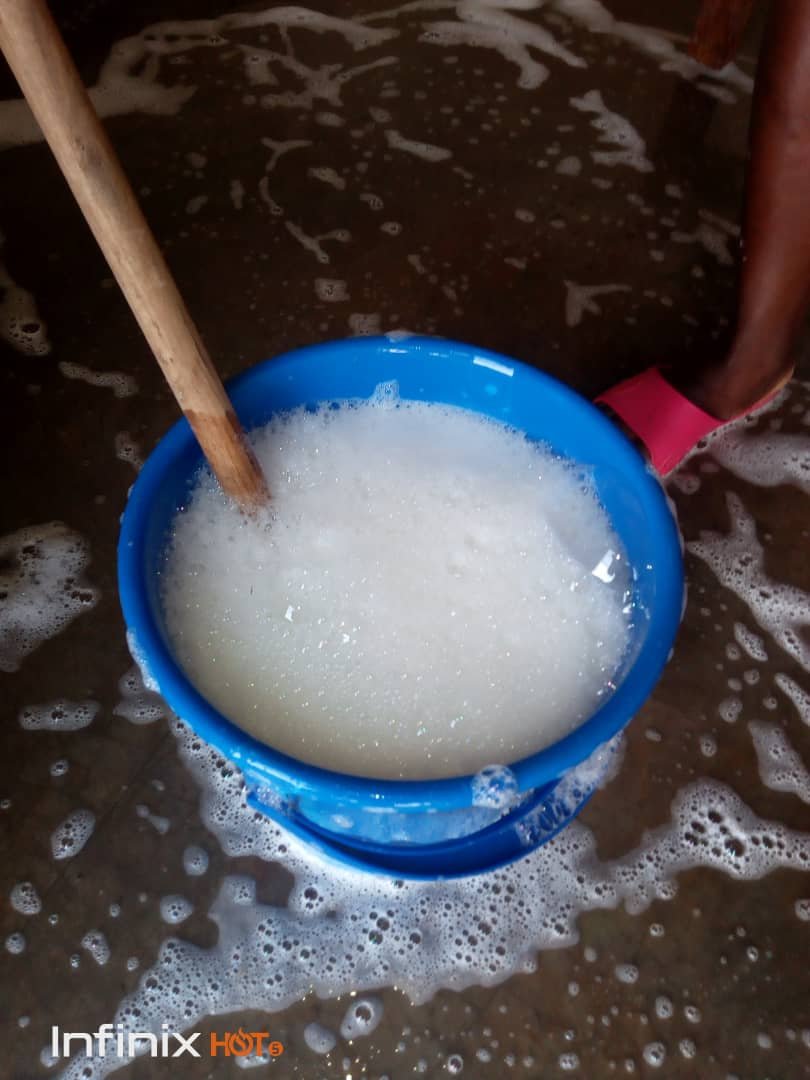
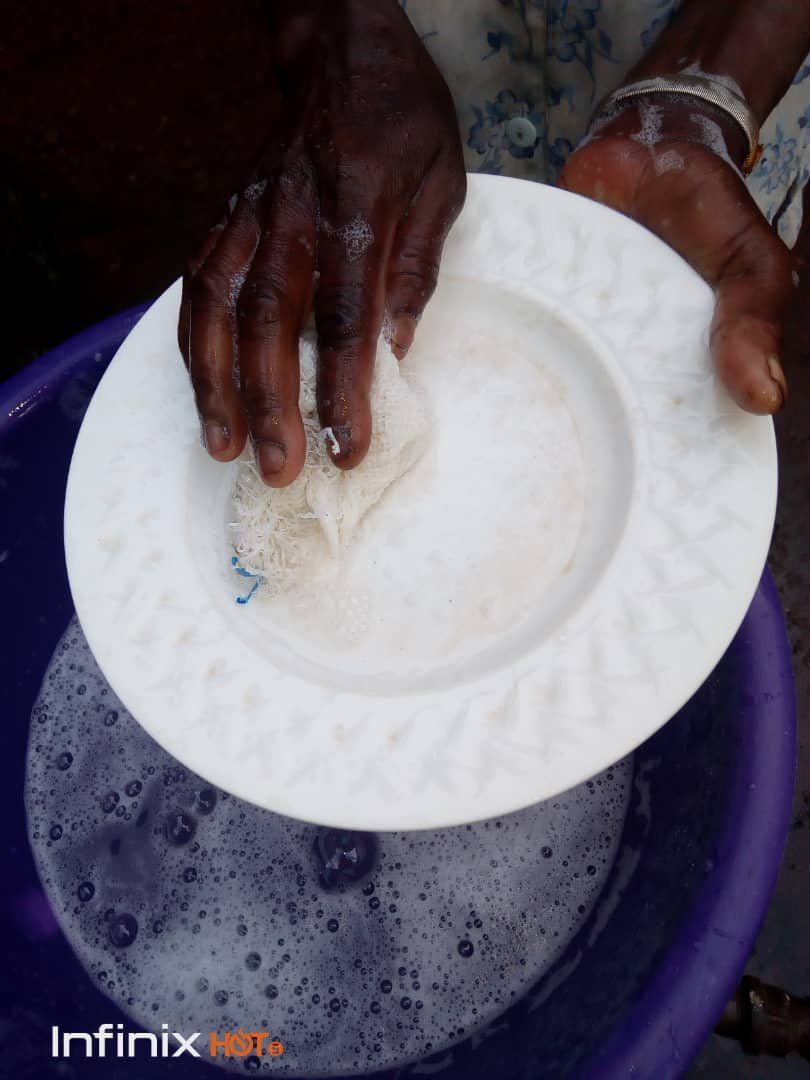
SOAP MAKING so women can become independent
Thanks to money raised by our supporters in the Big Give Christmas Challenge 2023
£125 trains a vulnerable young woman to make soap.
She can sell what she makes and set up her own small business.
This gives her a chance to break free from poverty.
And everyone who buys her products will be able to lead a healthier life.


Vulnerable women (18-35) are 80% of Kanyike's population.
Training them how to make soap will reduce poverty and exploitation by giving them economic independence. They will gain the confidence to fight for their rights and to act as agents of change

Courses have begun in 2024 to train vulnerable women in the practical skill of soap making.
These women and girls live in extreme poverty and suffer significant physical, emotional, or mental problems, often because of domestic violence. Of girls aged 12 to 17, 6% have already given birth and 6.5% been in a marriage union. Their morbidity and mortality rates are high: most cannot afford primary medical care. Currently, most lack employable or income-generating skills. Our existing social and economic empowerment strategies (such as loan schemes) do not reach this group.
They will also be given guidance about reproductive health and HIV/AIDS, and learn how to defend and promote their rights. Improved communication and interpersonal skills will increase their self-esteem.
Brenda, Christine and Jessica hope to earn a living making soap